

For some autistic children, everyday requests can feel extraordinarily difficult. Getting dressed, leaving the house, starting schoolwork, brushing teeth, eating a meal, attending an appointment, or even answering a question can lead to intense distress. Sometimes, the response seems far bigger than the demand itself. A request that appears small to an adult can become the trigger for an emotional reaction that is difficult for everyone involved.
When this happens repeatedly, families can find themselves caught in an exhausting cycle. Parents may feel that they are constantly negotiating, adapting, anticipating and trying to prevent the next crisis. Children may experience demands as overwhelming or intolerable, and may respond with refusal, emotional escalation or a strong need to regain control.
Read more: Understanding Extreme Demand Avoidance in Autism from a Family Systems Perspective

Neurodivergent people are much more likely than the general population to experience trauma throughout their lives. This can include abuse, neglect, bullying, repeated losses, restrictive practices, family or placement breakdowns, and experiences of not being understood. Yet trauma often goes unrecognised, particularly when distress is expressed through behaviour, rather than words. As awareness of trauma has grown, more health and social care services describe themselves as "trauma-informed". But what does this actually mean? More importantly, how can individuals, families and carers recognise whether a service is genuinely trauma-informed or not?
Read more: How to Recognise a Trauma-Informed Service for Neurodivergent People

For many years, the relationship between autism and trauma has been overlooked. Increasingly, however, research is showing that autistic people are more likely to experience traumatic events than non-autistic people, and they may also experience a wider range of life events as traumatic. This growing understanding is changing the way psychologists think about assessment and therapy, helping to ensure that autistic people receive care that is both evidence-based and neuroaffirmative.
Read more: Understanding the overlap between autism and trauma

Autism assessments have historically been shaped by research and diagnostic tools that were largely developed using male samples. As a result, many autistic women and girls have been overlooked, misunderstood, or diagnosed later in life. Increasingly, clinicians and researchers are recognising that autism can present differently across genders, and that assessment approaches need to adapt in order to provide more accurate and compassionate care. Recent research highlights several important ways that assessments can become more responsive to the lived experiences of autistic women and girls.
Read more: How should autism assessments be adapted for women and girls?
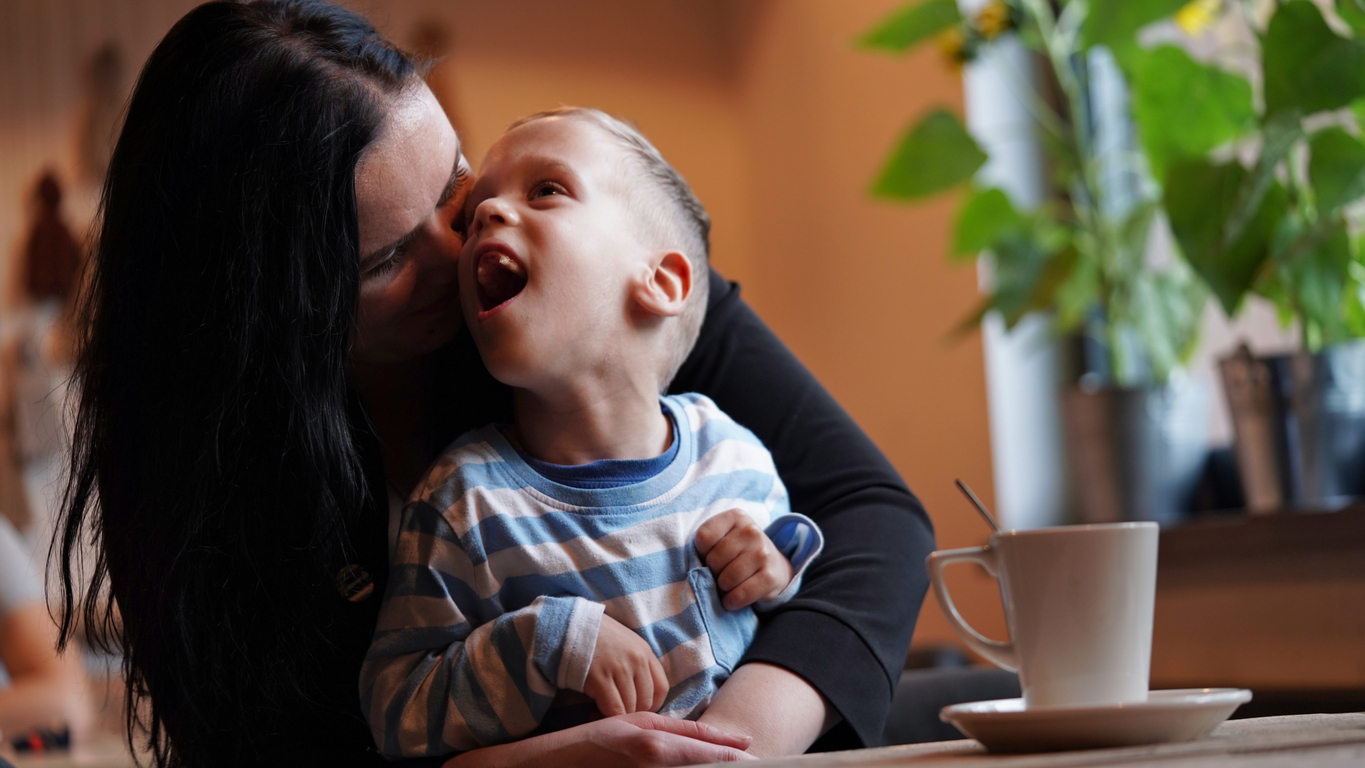
Parenting any child can be joyful, exhausting, confusing, and deeply meaningful - often all in the same day. But for some parents of children with developmental disabilities, the experience can carry an extra emotional weight that isn’t always talked about openly.
Recent research is beginning to put a name to this experience: parent-carer trauma.
This doesn’t mean something has gone ‘wrong’ with you as a parent. In fact, it’s quite the opposite - it’s a way of understanding just how much you may be carrying.
Let’s explore what this means, why it matters, and how it’s different from more familiar ideas like PTSD.
Read more: When Parenting Feels Like More Than Stress: Understanding ‘Parent-Carer Trauma’

If you’re parenting or caring for a neurodivergent child - whether they are autistic, have ADHD, or other differences - you may sometimes feel unsure how best to support them emotionally.
Attachment theory offers a powerful, compassionate framework for understanding their internal world - and how relationships can become a source of growth.
Read more: Why Attachment Matters for Supporting Neurodivergent Children and Young People

When a child or young person has an intellectual disability and/or autism, family life can feel emotionally overwhelming. Many parents and carers describe loving their child deeply while also feeling exhausted, isolated, or unsure if they are “getting it right”. Family therapy offers a space to make sense of all of this together.
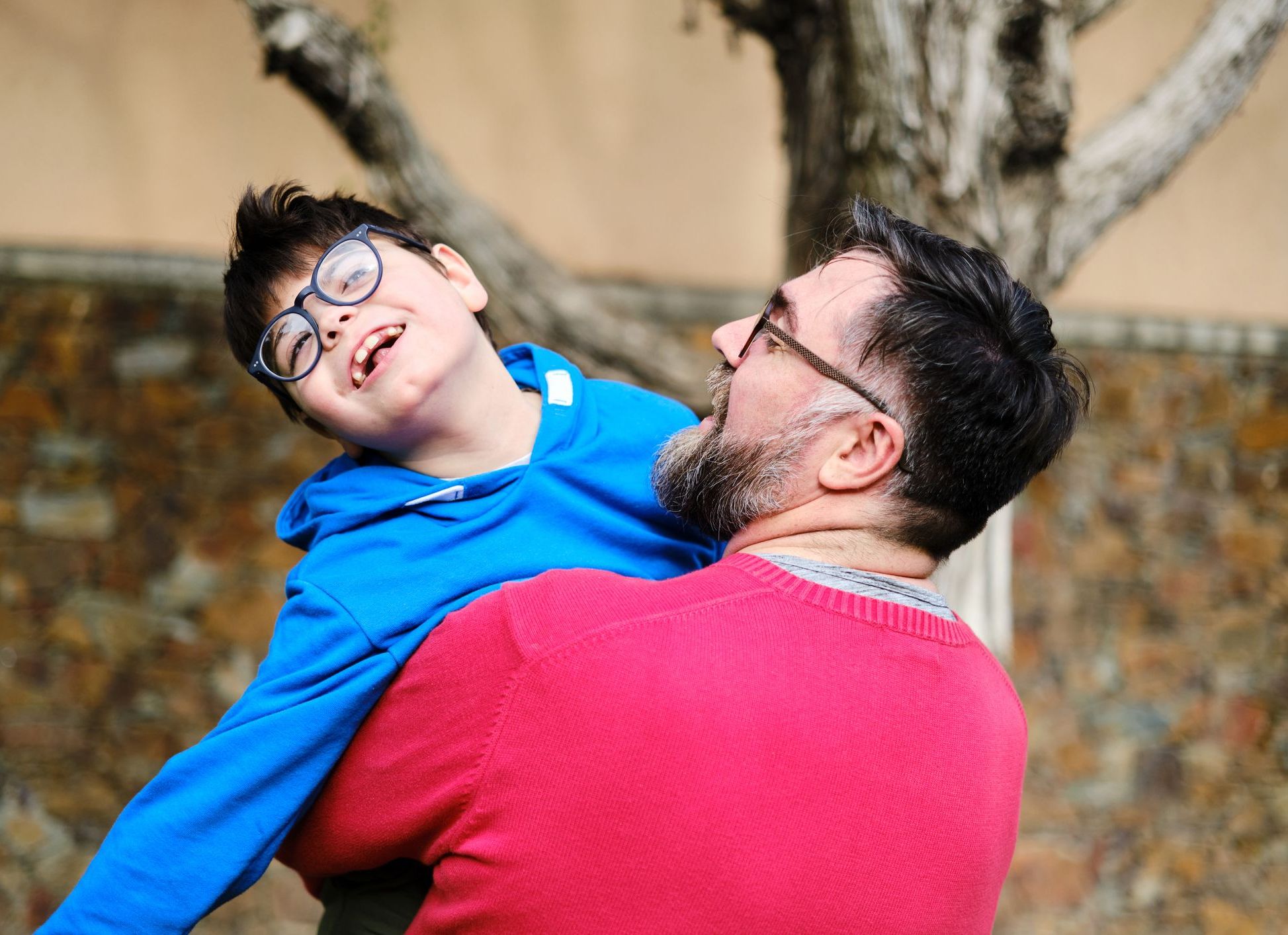
Use this checklist to help match your support to the person’s emotional stage of development. A person may show traits from more than one stage - focus on what fits most of the time, especially during stress.
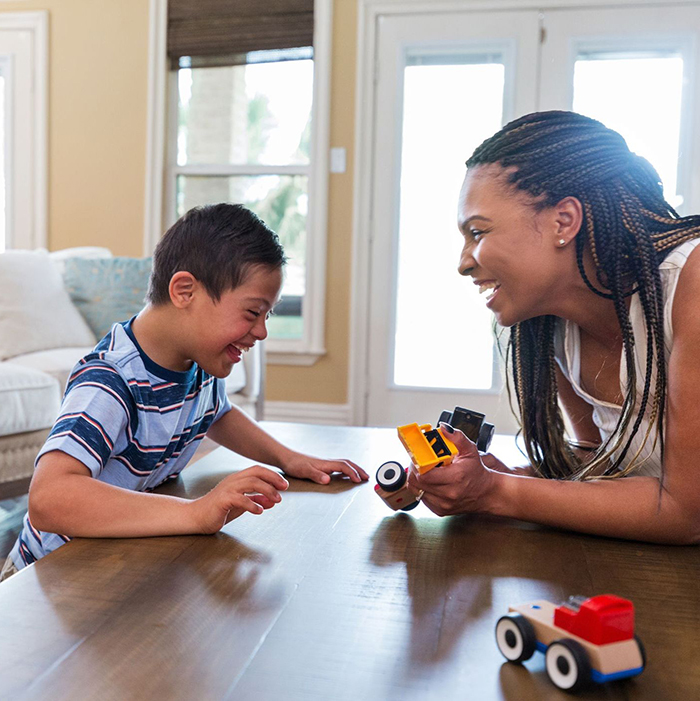
Parents and carers of people with intellectual disability often say the same thing:
“I know they don’t mean to behave this way—but I don’t always understand what they need.”
This is where the emotional development approach can make a real difference. Instead of seeing behaviour as “challenging” or “difficult,” this approach helps us understand behaviour as communication, shaped by a person’s emotional stage of development.

Parenting a child with additional needs can be one of the most rewarding and challenging journeys you’ll ever take. It can bring moments of deep connection, joy, and pride — but also exhaustion, self-doubt, and isolation.
Many parents describe feeling judged, pressured to “get it right,” or guilty for not doing enough. It’s easy to become your own harshest critic.



Psychology service for Children, Young People and Families in Nottingham
Email: mark@hudsonclinicalpsychology.co.uk